



Introduction

In the dynamic landscape of the educational system, departments encounter constraints in prioritizing research activities such as interdisciplinary research, collaboration, joint research initiatives, technology deployment, technology transfer, and business model development across schools and institutes. These challenges significantly impede the departments’ ability to secure extramural funding, thereby undermining the research environment of educational institutions.

A promising solution observed in both global and Indian higher education institutions (HEIs) involve establishing dedicated research centers focused solely on fostering interdisciplinary research and collaboration.
This strategic initiative aims to enhance the centers’ ability to secure extramural funding and cultivate a prominent research environment within the institute. These specialized centers serve as pivotal hubs for research, innovation, collaboration, and education within specific research domains. This proposal seeks to underscore the fundamental importance of such centers across various educational institutions. They provide a dedicated platform for conducting cutting-edge research in niche areas, fostering interdisciplinary collaboration among researchers, faculty members, and students with diverse expertise. By concentrating resources and expertise, these centers accelerate the pace of innovation and discovery in targeted fields.

Concept of Flip Model

In the current educational landscape, faculty members in schools shoulder diverse academic responsibilities encompassing teaching, mentoring, research, administration, and more. This multifaceted role often constrains their ability to achieve optimal research outcomes. Traditionally, faculty in engineering schools have maintained an 80:20 balance, prioritizing 80% of their efforts on teaching undergraduate, postgraduate, Ph.D., STP, and WILP programs, and allocating 20% to research, consultancy, publications, intellectual property rights (IPR), and projects.

However, a paradigm shift is evident today towards a 20:80 FLIP Model, where the emphasis is reversed, underscoring 20% on teaching and the remainder on research and related activities. To effectively implement this model, establishing specialized centers within schools is proposed. These centers, integrated within the school structure, optimize existing resources such as faculty, staff, and administrative support. Each center is strategically aligned with a school to synergize strengths and facilitate collaborative efforts in managing postgraduate, Ph.D., and STP programs. Moreover, they leverage existing research and development capabilities and infrastructural support. This collaborative framework ensures a balanced partnership between schools and centers, fostering knowledge exchange and enhancing productivity across academic research and other sectors. In essence, this transformative approach aims to maximize school resources, thereby enhancing overall academic output and impact. By adapting to the evolving demands of education and research, this model not only supports faculty in achieving higher research productivity but also enriches the academic ecosystem as a whole.

Scope (pecking order of merit & priority)

Engaging in project applications to government agencies, governmental institutions, private organizations, and NGOs, focusing on revenue generation through consultancy services.

Creating specialized PG, Ph.D, and STP programs under the framework of the Academic Bank of Credits (ABC), aligning with the new National Education Policy 2020. Most of such programs may be on hybrid mode or online mode targeting working professionals under the umbrella of “Executive Programs” including Executive Ph.D. This may also include offering tailored training and certificate programs for government officials, executives, industry fellows, and professionals to meet market demands and capacity building

Enhancing and modernizing existing school laboratories while spearheading the development of new innovative laboratory facilities fostering multi-disciplinary research.

Providing opportunities such as summer training, in-house projects, certificate courses, project collaborations, pre-placement offers (PPOs), job placements, and startup incubation to foster an entrepreneurial culture among students. Majorly, the activities of “Student Research Center” may also be clubbed with the COIR activities.

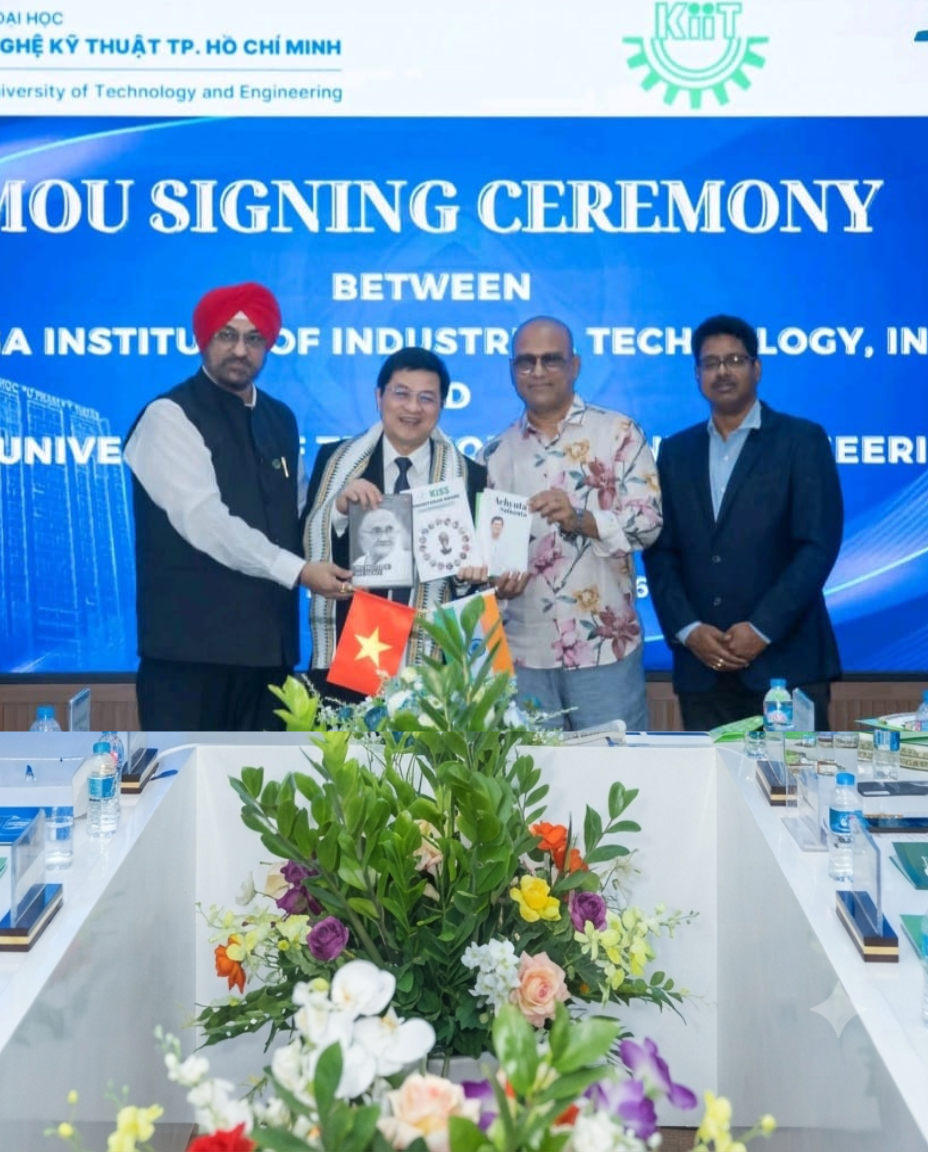
Collaborating with corporate entities and industries to transform innovative technologies and ideas into new business ventures through dedicated centers including initiating startups based on ideas and technologies developed within the centers. This may also include technology transfers via KIIT TBI.

Objective

The centers will be empowered with greater autonomy and flexibility to engage in MOUs, industry collaborations, and other initiatives that foster comprehensive research and innovation. Their mission extends beyond generating intellectual property; they are dedicated to aligning with future demands and delivering impactful outcomes that advance both the institute and the nation. The primary objective of these centers is to cultivate a robust research culture, anticipate future needs, and strategically advance through research and innovation to meet these evolving demands.

Founder’s Vision

COIR is not a business. It is a responsibility. When student enter KIIT, they become part of our family. We serve with the same care we would extend to our own loved ones. Excellence is non-negotiable. Every detail matters. Every student matters.

Ut libero aliquam elit ac sed mauris sagittis ullamcorper pretium mauris libero nullam maecenas aliquet eu viverra sed.

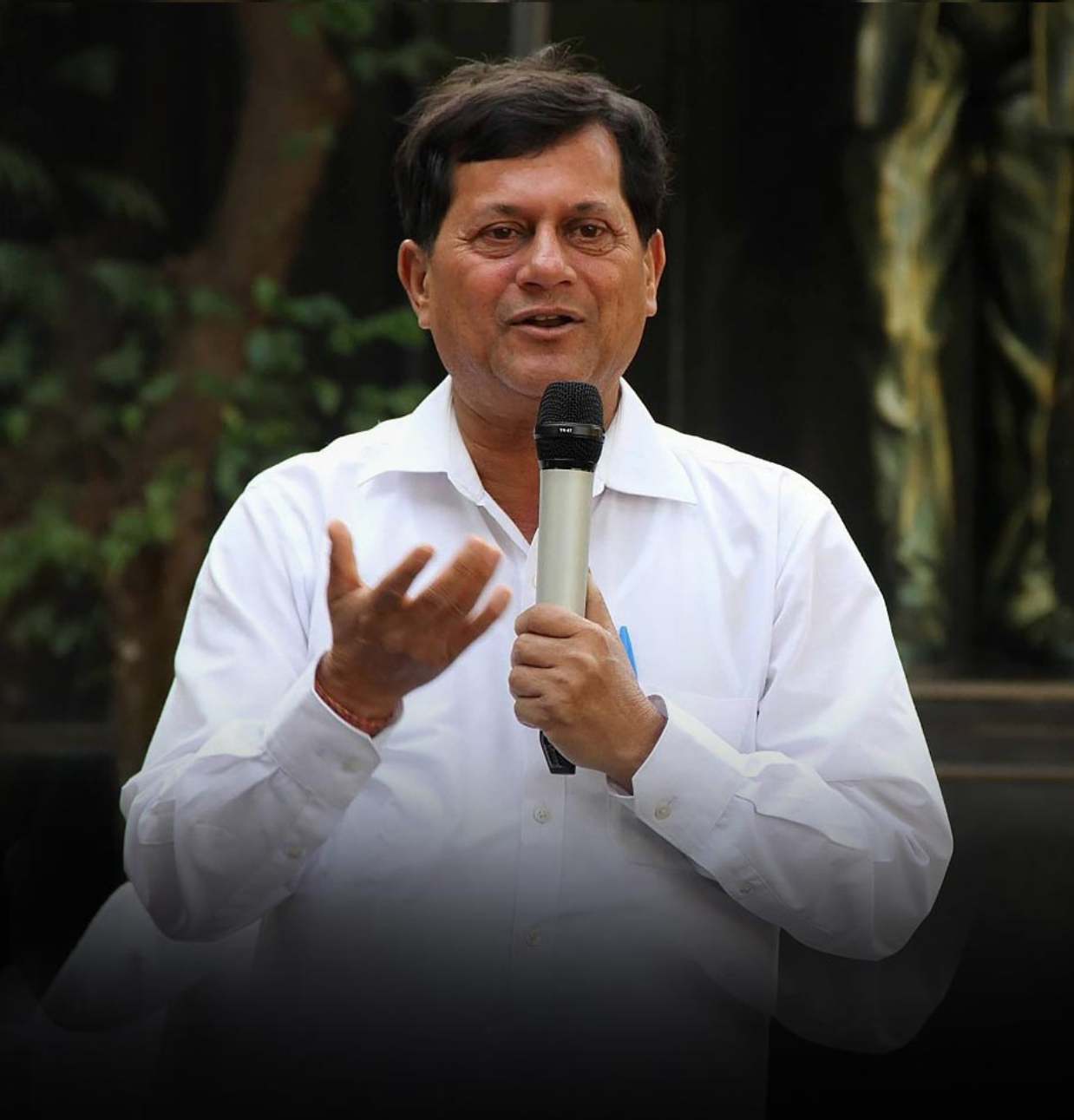
Dr. Achyuta Samanta

Dr. Achyuta Samanta’s vision transformed KIIT from a dream into India’s largest university. That same vision gave birth to COIR with a commitment to holistic excellence encompassing education, wellness, and world-class research.
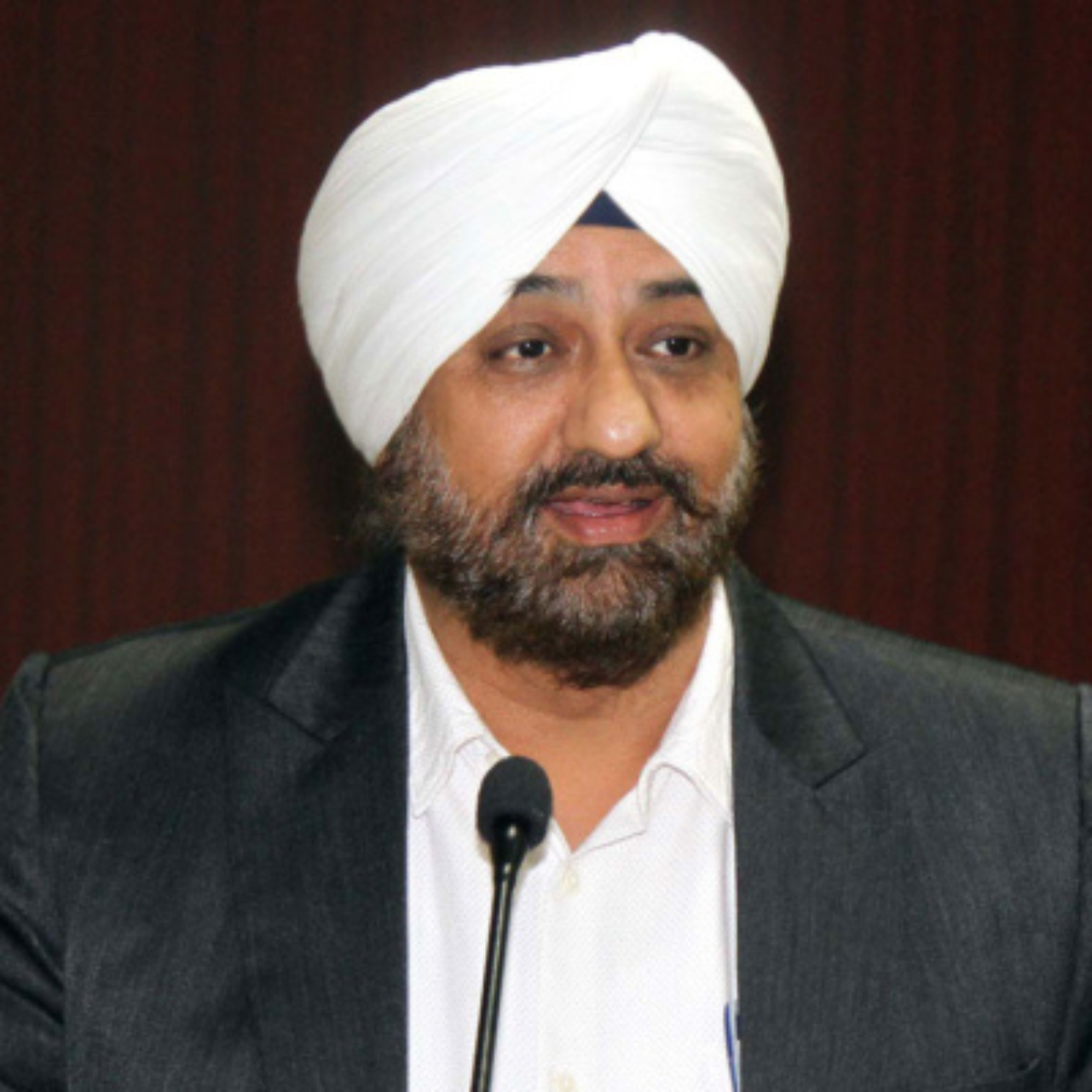
Prof. (Dr.) Saranjit Singh

Vice Chancellor
Email: [email protected]

Prof. (Dr.) Jnyana Ranjan Mohanty

Registrar
Email:[email protected]

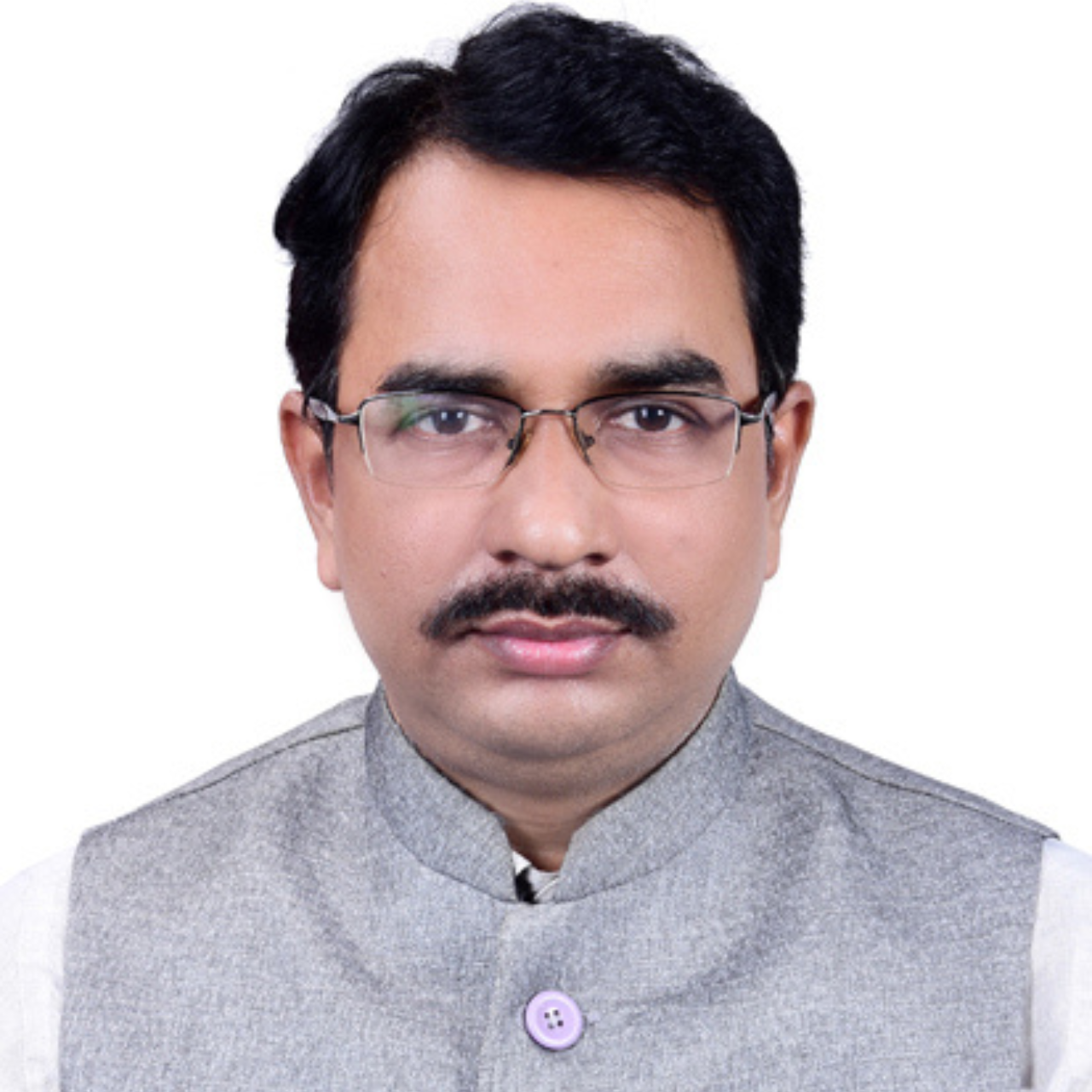
Dr. Sutanu Mangal

Assistant Registrar & Associate Professor
Email: [email protected]

Research

Quantum Technology

Quantum computing, quantum communication and quantum sensors research.

Smart Materials

Next‑generation materials for energy, environment, and healthcare.

Applied Behavioural Sciences

Behaviour change, cognition, mental health and decision sciences.

Defence & Strategic Studies

Research on national security, strategic technologies and policy.

Renewable Energy & Green Technologies

Solar, wind, biomass, fuel cells and sustainable energy systems.

Indigenous Language & Culture

Documentation, preservation and revitalisation of indigenous languages and culture.

Legal Innovation & Regulatory Technologies

Legal tech, digital governance and law reform research.

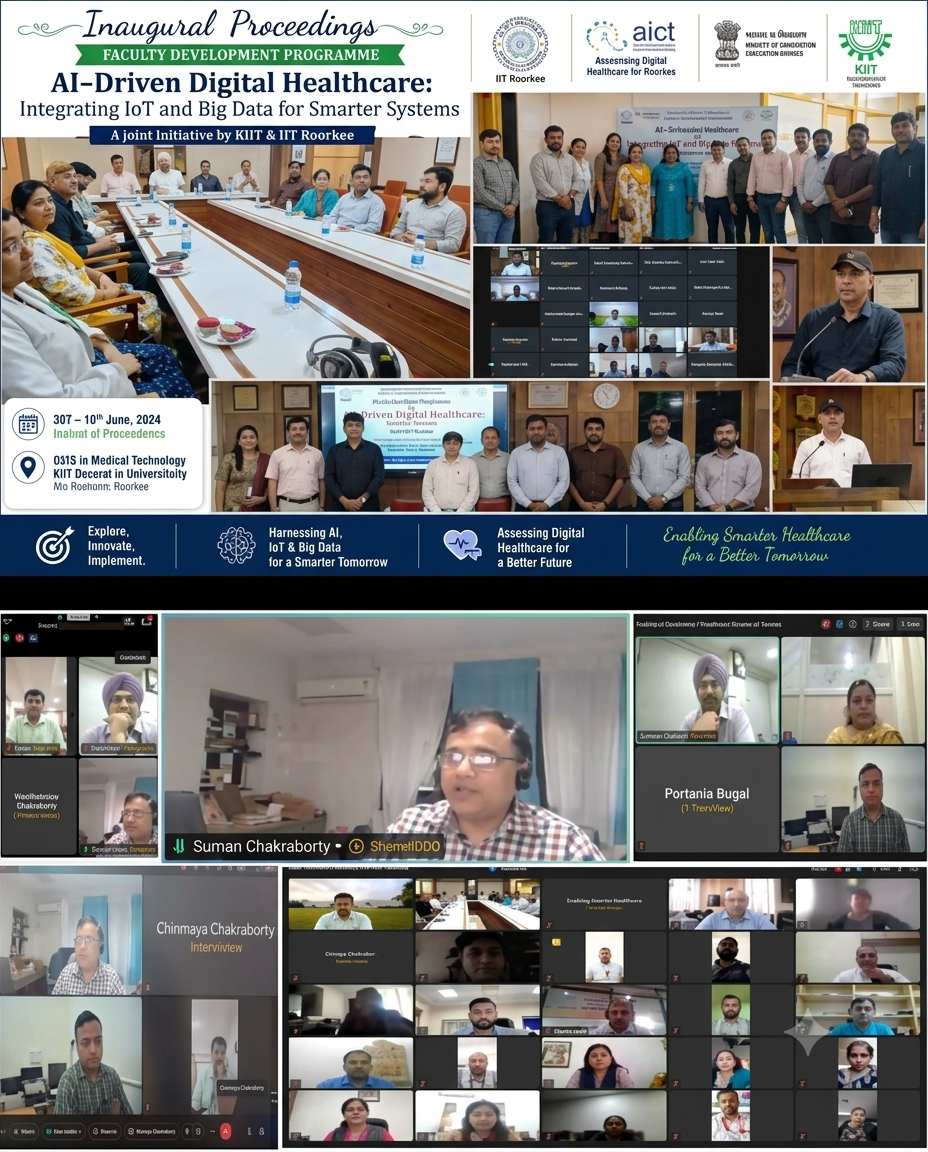
Health Technology & Innovation

Medical devices, telemedicine and health analytics solutions.