
About the Centre
We Offer
Objectives
Goals-both short-term and long-term

Labs and Facilities
A dedicated lab is equipped with geospatial and image processing software, including ArcMap and ERDAS Imagine, as well as surveying equipment such as GPS units and total stations.
Emerging Frontiers
Core Geospatial Sciences & Methodologies
Advanced Technologies & Platforms
Field Data Collection & Surveying
Projects
Applied Projects:
- Impacts of climate change and anthropogenic factors on biodiversity of Bhitarkanika (Ramsar site) ecosystem of Odisha, India.
- Climate Change, Natural Disaster and Resilient Livelihood of Coastal Communities of Odisha.
- Restoration, conservation and beautification of heritage water tanks associated with classical temples of Old Bhubaneswar.
- Resilient heritage landscapes: Reconstructing environmental memory and modelling climate risk around the Konark Sun temple.
- Natural disaster and socio-ecological resilience of livelihoods among rural communities in coastal Odisha
Ongoing Projects:
- Climate Smart Villages for Climate Resilient Agriculture and Resilient Livelihoods in coast of Odisha.
Projects Experience by Team Members of Centre
- Disaster Management through RS & Geo-spatial technologies, World Bank.
- Coastal Zone Management Plan (CZMP)-ESA and EIA study
- Mangrove community zonation and biophysical characterization for coast of Odisha
- National Wetland Inventory and Assessment (NWIA-II)
- Desertification Mapping of Odisha
- Web-GIS Coastal Aquaculture Mapping of Odisha
- Digital India Land Records Modernization Programme (DILRMP)
- Empowering Panchayati Raj Institutions Spatially (EPRIS)
- PHOENIX
- Watershed management and analysis
- Pulpwood Vegetation Mapping of Odisha
- Dial-100
- Land Degradation Mapping and Analysis
- High Resolution Erosion/Accretion Mapping for the Coast of India
- Space Based Information Support for Decentralized Planning (SISDP)
- Comprehensive Development Plan (CDP)
- Monitoring of Integrated Watershed Management Programme (IWMP)
- Pulpwood Vegetation Mapping of Odisha
- Land Degradation Mapping and Analysis
- Assessment of Erosion Prone Areas of Odisha State
- Inventory of Road-Infrastructure for Odisha
- Forest Degradation Mapping-Odisha
- Mining Plans and Sustainable management
- Geomorphological mapping of Odisha
- Block GIS
- BLUISH
- Tsunami Preparedness
- Rainfall Analysis for Odisha
- Forest Diversion
- Surveying and Cadastral mapping and so on.
Published IPs-selective and high-quality entries
- Renewable Energy Resources in Distributed Power Network-Indian Patent in April 2025.
- Renewable Energy Based Sustainable Transportation System- Indian Patent in July 2025.
Publication
| Sl. No | Title | Journal / Book / Patent | Publication House | IF | Scopus / SCE | Month / Year |
|---|---|---|---|---|---|---|
| 1 | Renewable energy resources in distributed power networks | Indian Innovation Patent | Publication of Patent Office | NA | NA | April, 2025 |
| 2 | Renewable Energy Based Sustainable Transportation System | Indian Patent (Design) | Publication of Patent Office | NA | NA | July, 2025 |
| Sl. No | Title | Journal / Book / Patent | Publication House | IF | Scopus / SCE | Month / Year |
|---|---|---|---|---|---|---|
| 1 | Applied Research Methodology: Case Studies, Probability Theory & Interdisciplinary Insights | Book | A2Z EDULEARNINGHUB LLP | NA | ISBN | March, 2025 |
| Sl. No | Title | Journal / Book / Patent | Publication House | IF | Scopus / SCE | Month / Year |
|---|---|---|---|---|---|---|
| 1 | Resilient Traditions and Changing Spaces: Vernacular Architecture and Livelihood Shifts in Assam’s Handloom and Handicraft Settlements | Indian Journal of Information Sources and Services | The Research Publication | NA | Yes | Dec, 2025 |
| 2 | Prediction of groundwater quality assessment by integrating boosted learning with DE optimizer | Scientific Reports | Nature Portfolio | 3.9 | Yes | Dec, 2025 |
| 3 | Socio-economic Inequities and Anemia in Pregnancy in Gajapati District of Odisha: An Empirical Inquest | Indian Journal of Information Sources and Services | PKP Preservation Network | NA | Yes | Sept, 2025 |
| 4 | Machine learning-based LULC change detection and environmental implications in Bankura, West Bengal, India | AIMS Environmental Science | AIMS Environmental Science | 1.2 | Yes | Sept, 2025 |
| 5 | Machine Learning-Enhanced Monitoring and Assessment of Urban Drinking Water Quality in North Bhubaneswar, Odisha, India | Limnological Review | MDPI | NA | Yes | Sept, 2025 |
| 6 | Integrated Evaluation of Soil Pollution and Plant Bioaccumulation Using Multimetric Indices: A Case Study from the Rehova Copper Mine, Albania | International Journal of Design & Nature and Ecodynamics (IJDNE) | International Information and Engineering Technology Association (IIETA) | NA | Yes | August, 2025 |
| 7 | Risk to resilience: analyzing barriers to cyclone vulnerability in coastal Odisha | Current Science | Indian Academy of Sciences | 1.0 | Yes | July, 2025 |
| 8 | Enhancing lightning strike prediction: leveraging geospatial data and ensemble machine learning for risk management | Acta Geophysica | SPRINGER | 2.1 | Yes | July, 2025 |
| 9 | Predicting Potential Habitats and the Conservation of the Tasar Silkworm (Antheraea mylitta) in the Similipal Biosphere Reserve, Odisha, India | Sustainability | MDPI | 3.3 | Yes | June, 2025 |
| 10 | Urban Expansion and Land Use Transformations in Midnapore City (2003–2024): Implications for Sustainable Development | Earth | MDPI | 3.4 | Yes | June, 2025 |
| 11 | Heatwave-induced thermoregulatory stress in Odisha’s coastal and north-eastern districts: Examining the April 2024 event using advanced statistical and geospatial techniques | Dynamics of Atmospheres and Oceans | Elsevier | 2.0 | Yes | June, 2025 |
| 12 | Hydrogeochemical and Geospatial Insights into Groundwater Contamination: Fluoride and Nitrate Risks in Western Odisha, India | Water | MDPI | 3.0 | Yes | May, 2025 |
| 13 | Irrigation water quality prognostication: An innovative ensemble architecture leveraging deep learning and machine learning for enhanced SAR and ESP estimation in the east coast of India | Journal of Environmental Chemical Engineering | Elsevier | 7.2 | Yes | April, 2025 |
| 14 | Fluoride Risk Prognostication: A Pioneering Ensemble Machine Learning Approach for Groundwater Contamination Prediction in Parts of the East Coast of India | Water | MDPI | 3.0 | Yes | March, 2025 |
| 15 | Geospatial monitoring of environmental sustainability: A remote sensing-based approach for assessing mining-induced impacts in Eastern India | Results in Engineering | Elsevier | 7.9 | Yes | March, 2025 |
Societal Impacts
This research translates into different societal impact areas as it directly protects public health and safety through predictive tools that prevent waterborne diseases and enable proactive disaster management for cyclones, heatwaves, and lightning, saving lives and reducing losses. Also, it promotes equitable and sustainable development by providing evidence to target health interventions for vulnerable groups, preserve cultural livelihoods, and guide responsible urban and industrial planning. It enables the transition to a green economy through renewable energy innovations and science-based conservation, balancing ecological and economic needs. Collectively, it provides actionable evidence for building resilient, healthy, and inclusive communities.
Climate & SDGs Contribution
This research outcomes through publication delivers targeted contributions to Climate Action (SDG 13) by developing predictive tools for disaster resilience in addressing cyclones, heatwaves, and lightning while managing key climate stressors through advanced assessments of groundwater, soil pollution, and land-use change. It simultaneously advances a network of interconnected SDGs, safeguarding water quality (SDG 6), conserving biodiversity (SDG 15), guiding sustainable urban and industrial planning (SDGs 11 & 12), and promoting social equity through studies on health disparities and resilient livelihoods (SDGs 3, 8, 10). The work is further strengthened by patented innovations in renewable energy and sustainable transport, directly supporting clean energy access and infrastructure (SDGs 7 & 9), thereby uniting environmental, social, and technological solutions within a holistic sustainable development framework.
Members
Dr. Dillip Kumar Bera
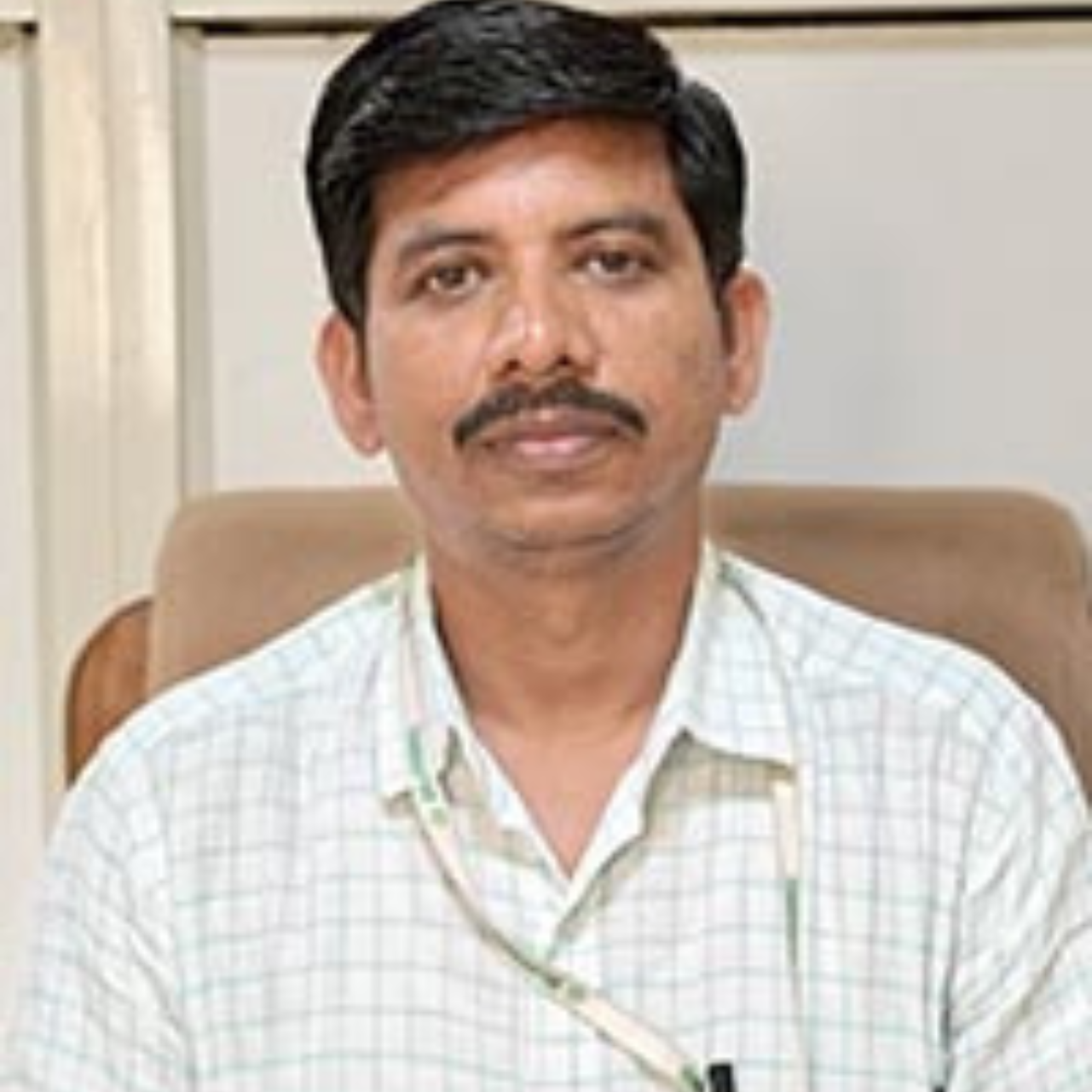
Dr. Rakesh Ranjan Thakur

Dr. Ajay Pradhan
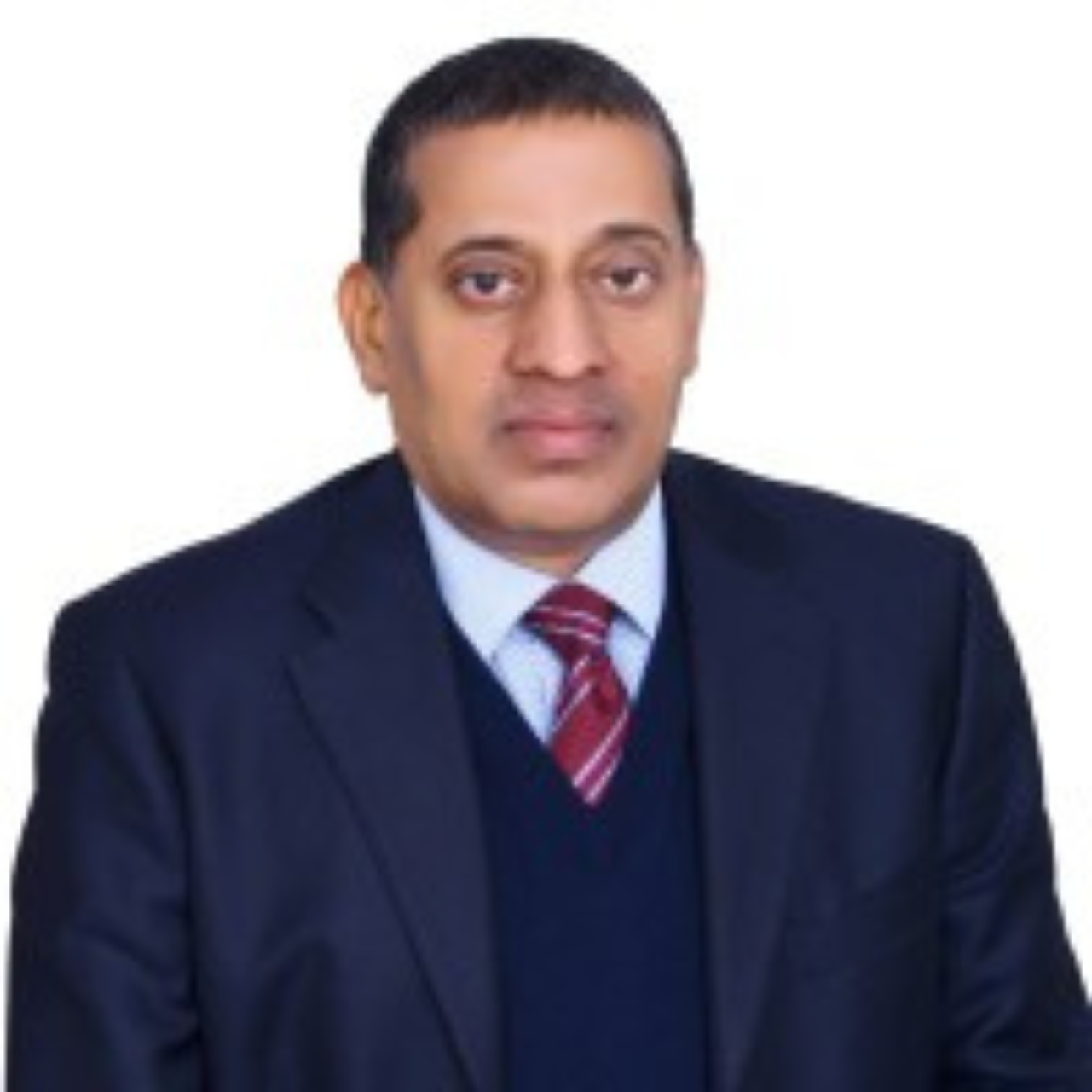
Dr. Kshyanaprava Samal
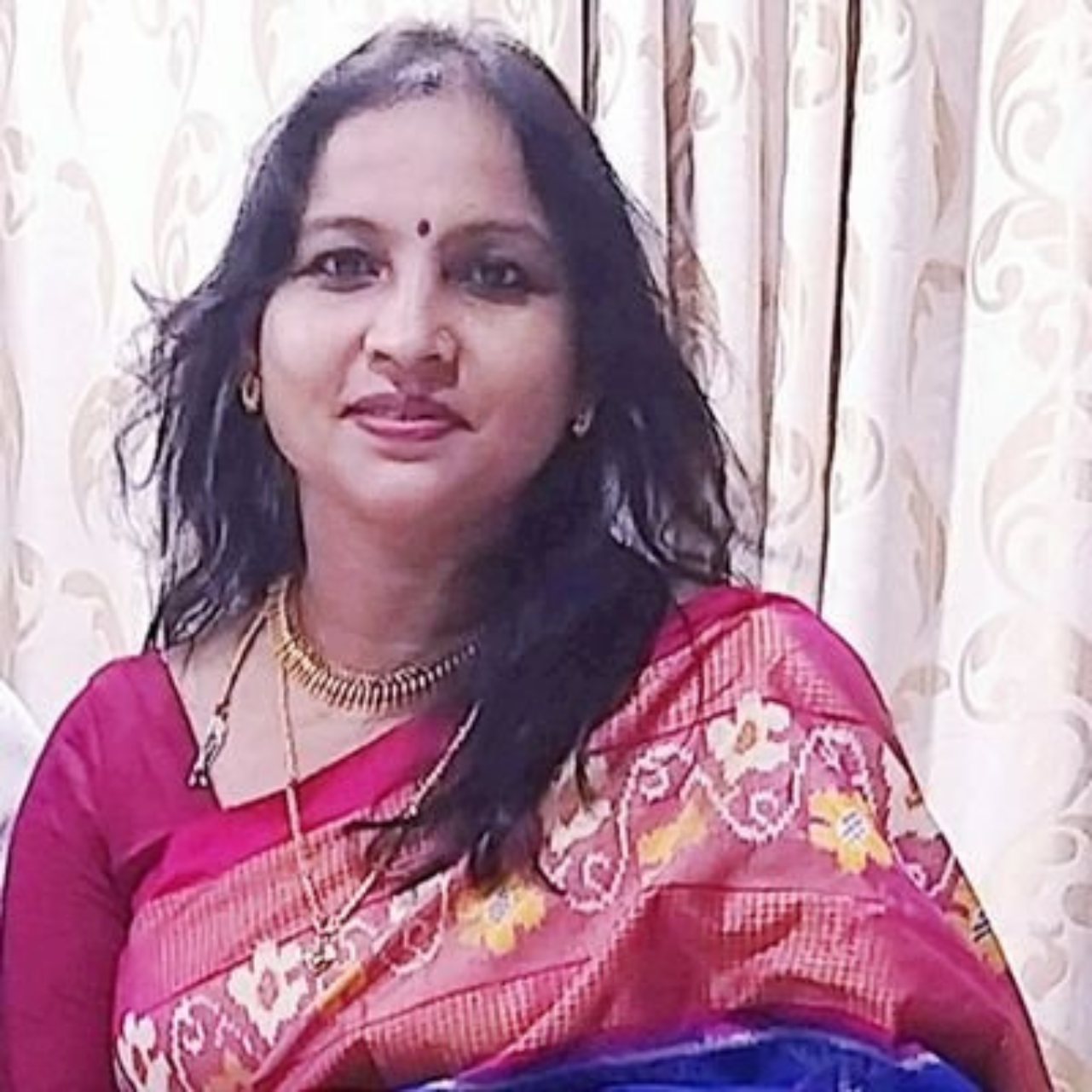
Dr. Jyoti Prakash Padhi
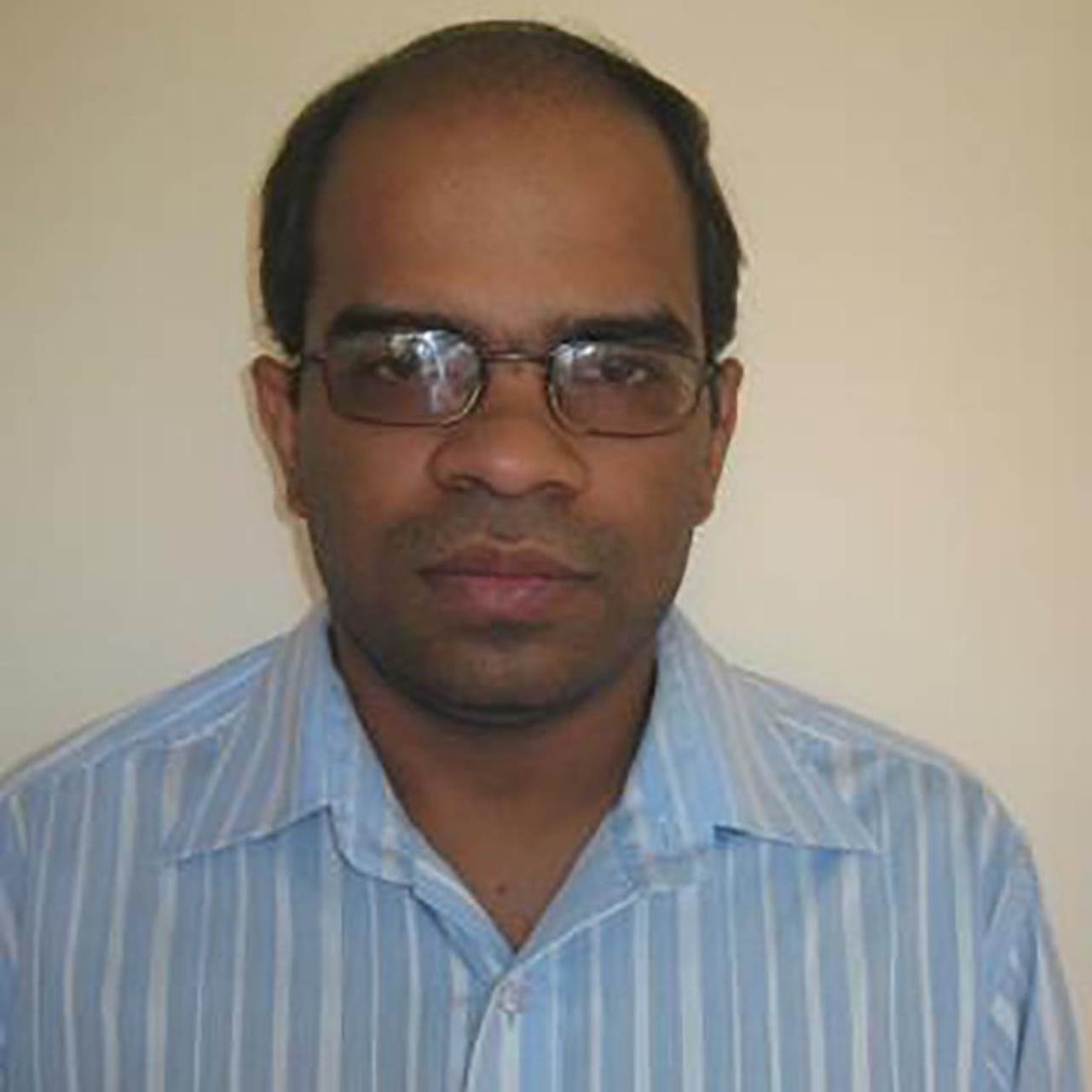
Group Photos

Partner Industries
Scope of works
The Centre serves as a hub for advanced research, training, and policy advocacy in remote sensing, geospatial technologies, and disaster risk reduction. The scope of work varies based on the roles of faculty members, Ph.D. scholars, postdoctoral researchers, industry professionals, and collaborative industry partners.
- Pioneering Research:Conducting cutting-edge research in remote sensing, GIS, and disaster management to develop specialized courses in hazard modeling, climate resilience, and geospatial analytics.
- Sustainable Funding:Actively securing research grants from premier national and international funding agencies (e.g., ISRO, NASA, UNDP, DST).
- Mentoring Future Leaders:Guiding Ph.D. scholars through interdisciplinary research projects.
- Driving Policy & Practice:Collaborating with key agencies (e.g., NDMA, IMD), NGOs, and international organizations to conduct policy-relevant studies.
- Building Capacity & Disseminating Knowledge:Organizing workshops, seminars, and training programs, and publishing our findings in high-impact journals and policy reports.
- Conduct original research in satellite-based disaster monitoring (e.g.,cyclone, floods, droughts, wildfires) and climate change impact assessment using geospatial tools.
- Design and develop innovative methodologies for disaster risk assessment and early warning systems, utilizing machine learning and AI for hazard prediction.
- Secure and manage collaborations with national and international space agencies (e.g., ISRO, NRSC, NASA, JAXA) for data acquisition and joint projects.
- Disseminate findings through publications in top-tier, peer-reviewed journals and presentations at international conferences.
- Support project execution and conduct fieldwork in disaster-prone regions as part of a faculty-led research team.
- Research Leadership:Spearhead independent research projects utilizing advanced remote sensing technologies (LiDAR, Hyperspectral Imaging, InSAR) for environmental and hazard monitoring.
- Interdisciplinary Integration:Design and execute multi-disciplinary projects that bridge geospatial technology with practical climate adaptation strategies.
- Collaboration & Funding:Establish and maintain strategic partnerships with global research institutions (e.g., UN-SPIDER, GFZ Potsdam) and contribute to large-scale, funded projects in line with the Sendai Framework for DRR.
- Mentorship:Mentor and supervise Ph.D. and Master’s students in advanced geospatial data analysis, modeling, and research methodologies.
- Commercial Product Development:Creating market-ready remote sensing applications for sectors including disaster insurance and critical infrastructure monitoring.
- Real-Time Consultancy:Delivering rapid, data-driven disaster mapping and analysis for floods and landslides using integrated drone and satellite platforms.
- Strategic R&D Partnerships:Collaborating with leading research centers to advance the state of AI-driven geospatial analytics.
- Technology Transfer:Specializing in translating academic research into operational tools for industry, such as custom early warning systems for corporate clients.
Collaborative R&D and Innovation:
- Partner on joint research projects, such as developing IoT-based sensor networks for advanced disaster monitoring.
- Co-develop innovative software solutions with industry, including cloud-based GIS platforms for disaster management.
- Talent Development and Capacity Building
- Sponsor fellowships and internships for students to solve industry-relevant challenges.
- Conduct community engagement and training programs to build the capacity of local disaster responders.
Policy and Infrastructure Influence:
- Participate in Public-Private Partnerships (PPPs) to advance resilient infrastructure planning.
- Advocate for the integration of geospatial technologies into national and local disaster management policies.
Field Operations and Global Engagement:
- Execute rapid field surveys and drone-based mapping in disaster-affected areas to support response efforts.
- Foster international collaborations with universities, UN agencies, and space organizations to share knowledge and resources.
The CRSDM thus serves as a bridge between academia, industry, and policymakers, fostering innovation in remote sensing and disaster resilience.
Impact
The Centre will make transformative contributions across society, academia, and industry by leveraging geospatial technologies and AI-driven analytics. It enhances disaster preparedness, saving lives and reducing economic losses through early warning systems and rapid response. Academically, it advances remote sensing research, fosters global collaborations, and trains skilled professionals. Through industry partnerships, it spurs innovation in drone mapping and AI-based risk modeling, bridging technology, policy, and societal needs to drive sustainable development and national resilience.
Training Program
Our Remote Sensing and GIS programs stand apart through their dedicated focus on geospatial technology and earth observation. Designed for the future, we offer a distinct curriculum centered on geospatial technology and earth observation
Achievement
- Selected for ERASMUS + along with University of North, Croatia for a period of 3 years which supports Faculty, Students exchange, Research etc.
- The CRSDM has been recognized by the Survey of India, Department of Science & Technology, Govt. of India, as an Emerging Centre in the fields of Remote Sensing and Advanced Surveying at the Workshop on Awareness of Continuously Operating Reference Stations (CORS), at IMMT Bhubaneswar on 27th November 2025.
-
Awarded as Best Story Map Competition organized by ESRI India on “Revealing the ancient Engineering Marvel: Waterways Behind Black Pagoda Construction”.
It can be accessed through:
https://storymaps2025.esri.in/portal/apps/storymaps/stories/